
Suppose you enter a low-key bistro. The scent of roasting garlic, rosemary is in the air, and the muffled sound of conversation creates a relaxing effect. You are ready to learn what is going to be served to eat, you sit down, and a waiter gives you a piece of paper, which is laminated and has a lot of small and faded text written, and probably dark pasta pictures. It becomes clear that the magic of the ambiance flickers. The incongruence of the surroundings with the display of the food generates a slight yet instant drop in expectations.
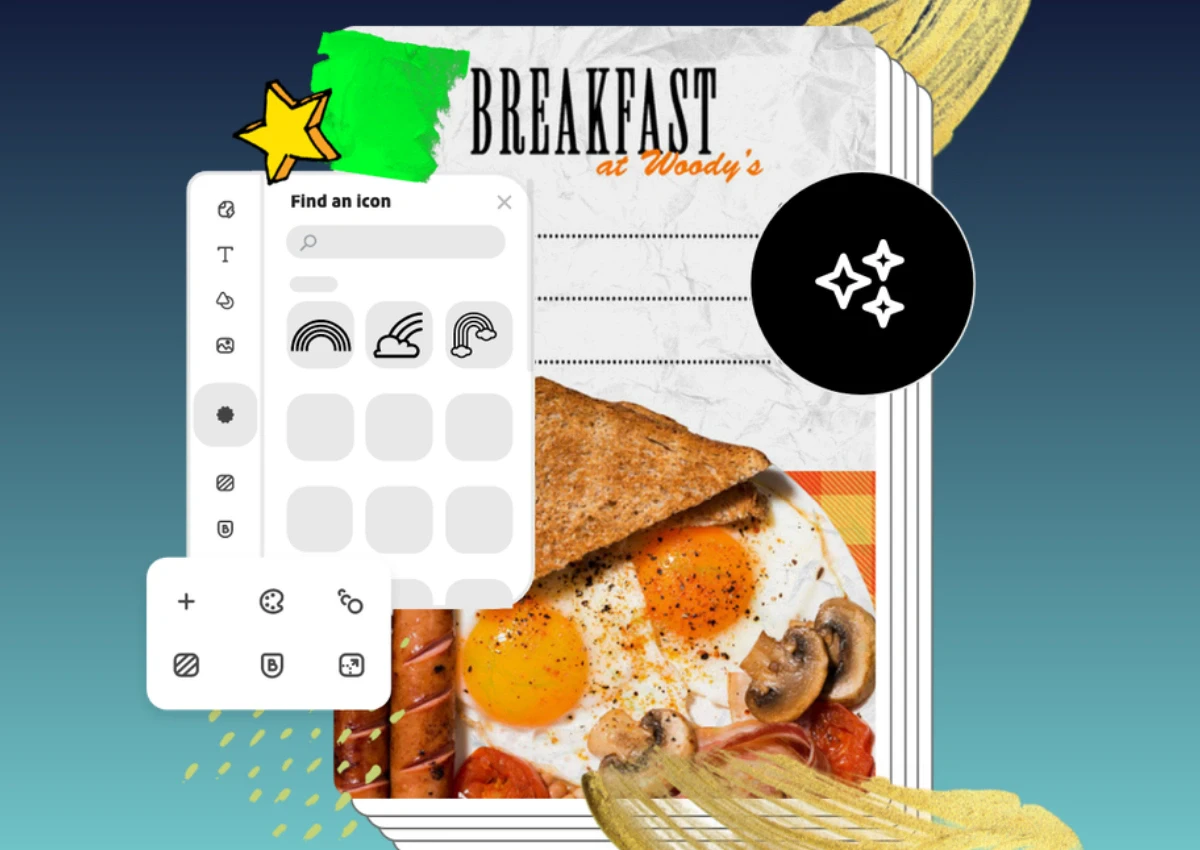
The menu is far more than a list of prices and ingredients; it is the primary touchpoint between a chef’s vision and a guest’s appetite. It functions as a silent salesperson, a storyteller, and a roadmap for the culinary journey ahead. When a restaurant invests in professional menu design with Adobe Express, they aren’t just making a list; they are curating an experience that guides the eye, highlights signature flavors, and reinforces their brand identity. A well-designed menu can actually make food taste better in the mind of the consumer before the plate even hits the table.
The Psychology Behind the Plate
The development of a menu has to be based on a thorough knowledge of human behavior. Ever wondered why, when you are reading a page, your eyes just seem to be drawn to the right-hand side of the top of the page? To the restaurant marketer, this is called the “Sweet Spot” of the restaurant. This is where the most lucrative or signature items are to be found.
Another implication of psychology on value perception is that it is involved in the process of perceiving value. Setting the price at the bottom of a description (instead of putting it in a column) in a practice known as price nesting allows the guest to avoid price-scanning (advertising the lowest price on a menu) and actually read the description of the food. Emotional involvement in the decision-making process occurs when individuals concentrate on the ingredients and the narrative behind the meal.
Visual Hierarchy and Readability
Avoiding clutter on the page is one of the greatest errors that a business can make. Your friend is white space, the space between the text and images. It makes the eyes of the reader rest and the information digestible. When a menu is overloaded, there is a phenomenon of decision fatigue. Customers tend to fail when there are too many options or the layout is off-putting. The simplest one, such as a burger or a house salad, instead of branching out to a new, higher-margin special that you want them to experience.
Typography is equally vital. The fonts that you use are the personality of the kitchen. Fusion, health-conscious, or modern cuisine is a suggestion of a sleek, minimalist sans-serif. An ordinary serif font is less trendy, more professional, or Old World. A handwritten writing might be craftsman-like and local. Anyway you can, make sure the font used is easy to read even in low-light areas.
The Power of Descriptive Language
Words have flavor. Compare “Chocolate Cake” to “Velvety Dark Chocolate Ganache with a Hint of Sea Salt and Madagascar Vanilla.” The latter doesn’t just describe a dessert; it evokes a sensory experience. Research suggests that descriptive labels can increase sales of an item by up to 27%.
However, there is a fine line between descriptive and wordy. You don’t need a paragraph for every appetizer. Focus on the origin of the ingredients, mentioning a local farm or a specific region of Italy, to add authenticity and value. Phrases like “slow-roasted,” “hand-tossed,” and “sun-ripened” trigger cravings far more effectively than generic adjectives like “delicious” or “tasty.”
Using Color to Influence Appetite
Colors aren’t just aesthetic choices; they are psychological triggers.
- Red and Yellow: Often used in fast-casual settings because they are known to stimulate appetite and encourage faster turnover.
- Green: Suggests freshness, health, and organic qualities, which is perfect for salads or vegan-forward spots.
- Blue: Generally avoided in food design because it can act as an appetite suppressant (nature rarely produces blue food), but it can work for seafood-focused branding to evoke the ocean.
- Black and Gold: Instantly signal luxury and high-end elegance.
When selecting your color palette, ensure it aligns with your interior design. Your menu should feel like a physical extension of the walls, the lighting, and the tabletop.
The Seasonal Shift: Keeping Content Fresh
A menu that is not dynamic turns into a stale menu. Seasonality is one of the most effective methods of ensuring the retention of customers. Limited-time offers (LTOs) bring some sense of urgency. The guest will place an order better today when he/she is aware that the dish Spiced Pumpkin Risotto can be found only in October.
You do not have to turn your menu renovation into a logistical nightmare. With the help of digital templates and adaptable design tools, you can replace changing seasonal ingredients or change pricing without having to outsource a graphic designer every time you make a small alteration. This flexibility can enable you to react to market demands or trends, like the increased price of some proteins or the emergence of a new fad food item, like fermented toppings or botanical cocktails.
Practical Tips for the Modern Restaurateur
Before you hit print, keep these “pro tips” in mind:
- The Golden Triangle: Focus your best items in the center, the top right, and the top left.
- Avoid Currency Symbols: Research from Cornell University found that guests spend more when the “$” sign is omitted. It de-emphasizes the “pain of paying.”
- Photos vs. Illustration: High-quality photography can be great for casual dining, but for fine dining, it can sometimes feel “cheap.” Consider using elegant illustrations or simply letting the descriptions do the heavy lifting.
- The “Decoy” Item: Place a very expensive item at the top of the menu. It makes everything else below it look like a bargain by comparison.
Beyond the Paper: Digital Integration
Nowadays, your menu is in two places, on the table and on the smartphone. It is important to make sure that your design is mobile-first as far as your site is concerned. Do not post a huge PDF that has to be pinched and zoomed. Rather, a responsive and clean design guarantees that the Instagram user who scrolls through it at 6:00 PM can read through your offerings with ease and press the booking button.
QR codes, while once a pandemic necessity, have stayed around for their convenience. However, if you use them, make sure the digital landing page is just as beautiful as the physical one. Consistency is the key to building brand trust.
Bringing it All Together
A fantastic menu is an intermediary between a kitchen’s passion and the wishes of guests. It is an instrument that unites art and business with a beautiful design and strategic position that will help generate income. Considering your menu as a living document, one that is actively changing with your ingredients and communicating effectively to your audience, you will create a setting in which the guest feels coached and supported.
When you take the time to refine the layout, polish the descriptions, and choose the right visual cues, you aren’t just selling a meal. You are inviting someone to sit down, stay a while, and savor the hard work you’ve put into every plate. The menu is the first bite of the evening; make sure it’s a memorable one.