
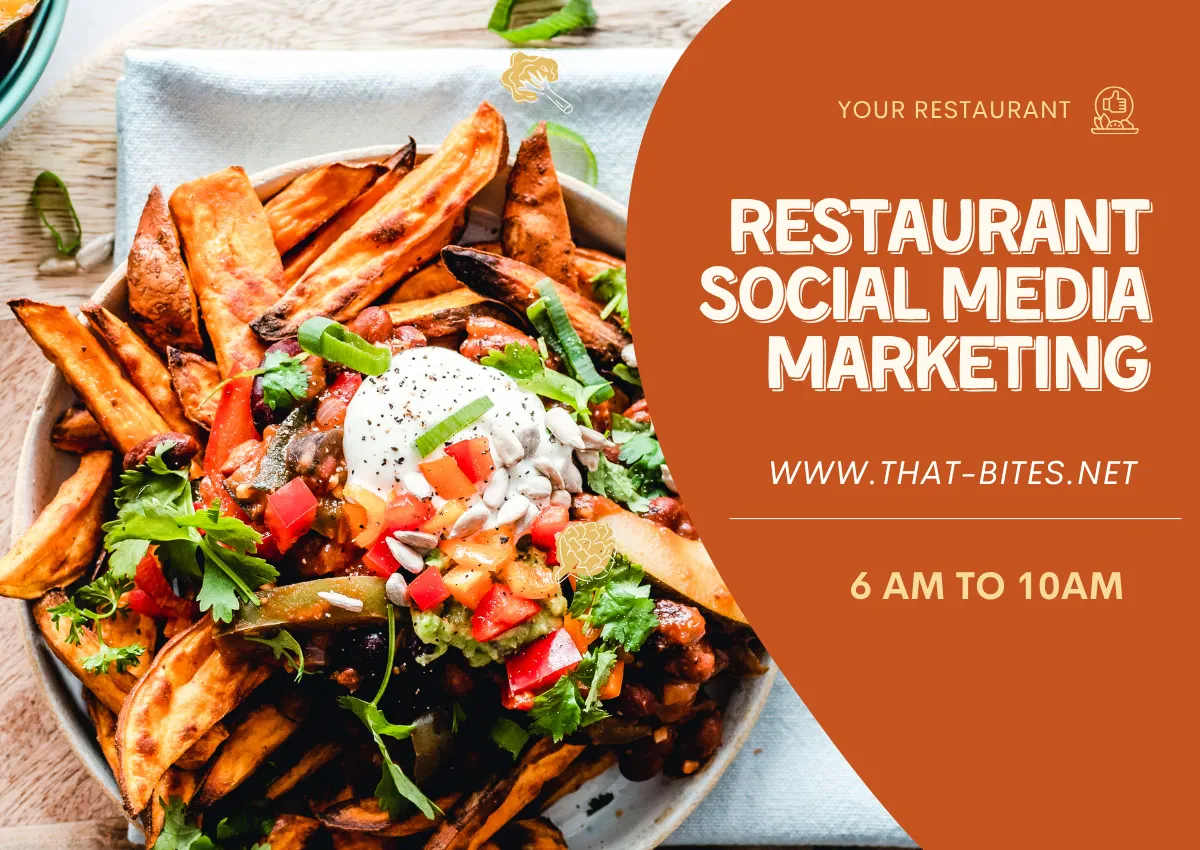
A decade ago, diners discovered restaurants through word of mouth, local recommendations, or simply by walking past a busy dining room. Today, that journey usually begins somewhere else entirely on a phone screen.
Before making a reservation or stepping through the door, customers often browse Instagram feeds, TikTok videos, Google reviews, and tagged customer photos. They study menu visuals, interior aesthetics, customer reactions, and the overall atmosphere long before they experience the restaurant in person. In many ways, social media has become the modern restaurant storefront. The digital impression now shapes customer expectations just as strongly as the physical experience itself.
For restaurant owners, this shift has transformed branding, marketing, and customer engagement, continuing to redefine the hospitality industry.
Diners Are Choosing Restaurants Visually
Today’s customers are highly visual decision-makers. A restaurant’s online presence often determines whether someone chooses to visit, scroll past, or save it for later. Lighting, plating, décor, color palettes, packaging, and ambiance all contribute to a restaurant’s digital perception.
This is why many current restaurant branding trends focus heavily on visual storytelling and creating a recognizable online identity. Diners are no longer evaluating restaurants based solely on food quality or pricing. They are evaluating how the entire experience feels online.
Platforms like Instagram and TikTok have accelerated this shift by making food discovery highly visual and emotionally driven. A short video showing a lively atmosphere or beautifully plated dish can influence customer decisions far more quickly than a traditional advertisement.
Social Media Has Become a Trust Signal
Consumers increasingly rely on social media to validate authenticity.
User-generated content, tagged photos, customer reviews, influencer videos, and spontaneous recommendations often carry more credibility than polished brand campaigns. People want to see what a restaurant actually looks like during a busy evening or how real customers respond to the experience. This has changed the dynamics of restaurant marketing. Instead of controlling every aspect of brand messaging, restaurants now participate in a more collaborative form of storytelling shaped by customers themselves.
Positive engagement online creates social proof. A restaurant filled with active customer interaction appears more trustworthy, relevant, and desirable to potential diners. As a result, digital perception has become closely tied to customer confidence.
Restaurants Are Designing for Shareability
The influence of social media now extends far beyond marketing departments. It is shaping the physical design of restaurants itself. Owners increasingly think about how interiors, signage, menu presentation, and lighting will appear in photos and videos. Restaurants understand that visually appealing spaces encourage customers to create and share content organically. This does not mean businesses are sacrificing substance for aesthetics. Instead, many are recognizing that a memorable presentation has become part of the overall customer experience.
Modern diners often want experiences that feel immersive, expressive, and worth documenting. A thoughtfully designed environment can amplify customer engagement both online and offline. This trend is particularly important for independent restaurants competing in crowded local markets where digital visibility directly affects traffic and brand recognition.
Small Restaurants Are Competing Differently
Social media has also changed the competitive landscape of hospitality.
In the past, larger chains had major advantages in advertising budgets and brand awareness. Today, a small café or neighborhood restaurant can gain meaningful visibility online without a massive marketing budget. A single viral TikTok video or Instagram reel can dramatically increase awareness for an independent business almost overnight. This has created new opportunities for smaller operators willing to invest in storytelling, consistency, and customer engagement.
Platforms like Instagram and TikTok reward creativity and authenticity more than company size. Restaurants that develop a distinctive personality online often build stronger emotional connections with customers.
For many diners, discovering a hidden local restaurant through social media feels more exciting and personal than visiting a familiar national chain.
The Pressure to Stay Constantly Visible
While social media creates opportunities, it also introduces pressure.
Restaurants are now expected to maintain active accounts, respond quickly to customer interactions, produce fresh content, and adapt to changing digital trends. For hospitality teams already managing staffing challenges and operational demands, this can become overwhelming.
An outdated social profile or inconsistent online presence may unintentionally damage customer perception. Poor-quality photos, unanswered reviews, or inactive accounts can create doubts about professionalism and overall experience quality.
As a result, digital branding is no longer viewed as optional. It has become a central part of restaurant operations and long-term growth strategy.
Authenticity Still Matters Most
Despite the growing emphasis on visuals and online engagement, authenticity remains one of the most valuable assets in hospitality.
Customers can quickly recognize when branding feels forced or overly manufactured. The restaurants that succeed online tend to have a genuine personality, strong identity, and consistent customer experience behind the content. Social media may attract initial attention, but long-term loyalty still depends on hospitality, food quality, and emotional connection.
In other words, online visibility may bring diners through the door, but authentic experiences are what keep them coming back.
The Future of Restaurant Discovery
Restaurant discovery is becoming increasingly social-first, visual-first, and experience-driven. Customers no longer separate digital perception from the dining experience itself. A restaurant’s Instagram feed, online reviews, TikTok presence, and visual branding are now part of how people evaluate quality and credibility.
For restaurant owners, this shift represents both a challenge and a major opportunity. Businesses that understand how to combine authentic hospitality with thoughtful digital storytelling are more likely to stand out in a crowded market.
As consumer behavior continues evolving, one thing is becoming increasingly clear: many dining decisions are now made before customers ever see the menu.